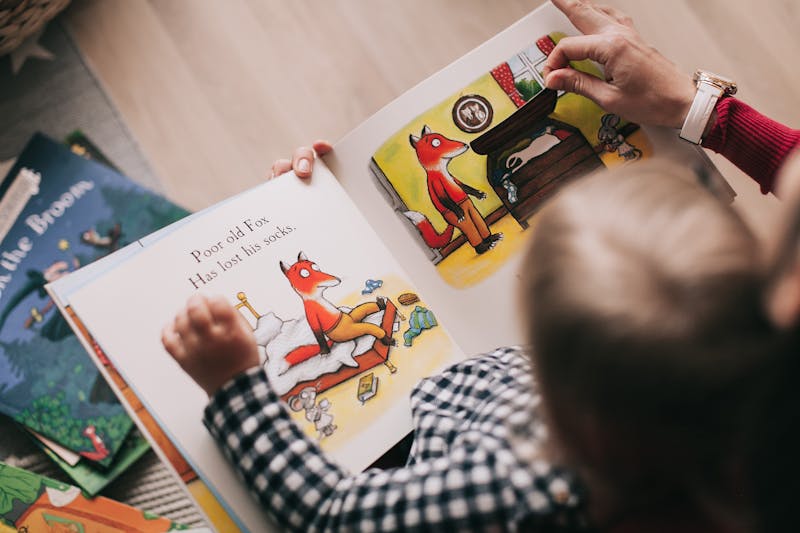
Choosing the right books for your child can feel overwhelming with so many options available. Understanding your child's developmental stage and interests is key to selecting books that will engage, educate, and inspire them.
Understanding Reading Levels
Reading levels aren't just about age—they're about your child's individual development:
Ages 0-2: Board Books and Simple Pictures
- High-contrast images and simple shapes
- Sturdy board books they can handle
- Books with textures and interactive elements
- Simple, repetitive text
Ages 2-4: Picture Books with Simple Stories
- Clear, engaging illustrations
- Simple plots with beginning, middle, and end
- Familiar themes and experiences
- Rhyming and repetitive text
Ages 4-6: More Complex Picture Books
- Longer stories with more detailed plots
- Characters facing challenges and solving problems
- Introduction to different genres
- Books that encourage discussion
Ages 6-7: Early Readers and Chapter Books
- Books designed for independent reading
- Larger text with plenty of white space
- Illustrations that support the text
- Series books that build confidence
Signs a Book is Too Easy or Too Hard
Too Easy:
- Your child shows no interest or gets bored quickly
- They can predict every part of the story
- The vocabulary is far below their speaking level
Too Hard:
- Your child becomes frustrated or upset
- They can't follow the plot
- Too many unfamiliar words
- Themes or concepts are beyond their understanding
Matching Books to Interests
The best book is one that matches your child's interests:
- Animal lovers: Books about pets, farm animals, or wildlife
- Vehicle enthusiasts: Stories about trucks, trains, or airplanes
- Adventure seekers: Tales of exploration and discovery
- Art lovers: Books with beautiful illustrations or art themes
Quality Indicators
Look for books that:
- Have won awards or recognition
- Feature diverse characters and experiences
- Promote positive values and messages
- Are recommended by librarians or educators
- Have engaging, high-quality illustrations
Trust Your Child's Preferences
Remember that your child is the best guide to what they enjoy. Pay attention to:
- Which books they ask to read again and again
- What themes or characters they gravitate toward
- How they respond during and after reading
- What questions they ask about the stories
The perfect book for your child is one that sparks their curiosity, matches their developmental level, and brings you joy to read together. Don't be afraid to try different types of books—variety is key to developing well-rounded readers!